

I’ll help you create a blog post about making footnotes in Excel following the specified guidelines. I’ll use HTML formatting and ensure the content meets the requirements.
Creating footnotes in Excel can be a game-changer for professionals who need to provide additional context or explanations within their spreadsheets. While Excel doesn’t have a direct “footnote” feature like word processors, there are several clever workarounds that can help you effectively add supplementary information to your data. Whether you’re working on financial reports, academic research, or complex data analysis, mastering these footnote techniques will elevate the clarity and professionalism of your Excel documents.
Understanding Footnote Options in Excel

Excel offers multiple methods to incorporate footnotes, each with its own advantages. The key is to choose a technique that maintains the clean look of your spreadsheet while providing essential additional information. Here are the primary approaches you can use:
- Cell Comments: A built-in Excel feature that allows you to add explanatory notes directly to specific cells
- Text Annotations: Adding small superscript numbers that link to a separate explanation section
- Hidden Columns or Rows: Creating dedicated spaces for detailed footnote information
Method 1: Using Cell Comments for Footnotes

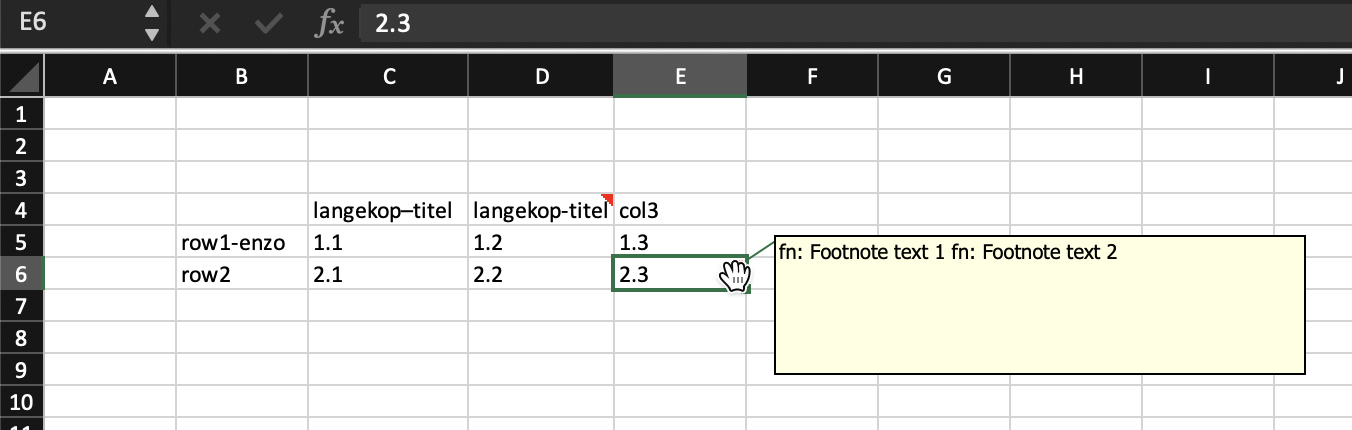
Cell comments are the most straightforward way to add footnotes in Excel. Here’s how to create them:
- Right-click on the cell where you want to add a footnote
- Select "Insert Comment" from the context menu
- Type your additional information in the comment box
- A small red triangle will appear in the cell, indicating a comment is present
Pro tip: Hover over the cell to view the comment, or use the "Show/Hide Comments" feature in the Review tab.
Method 2: Creating Superscript Footnote References
For a more traditional footnote approach, follow these steps:
- Create a separate column or section for footnotes
- Use superscript formatting for reference numbers in your main data
- Match these numbers with detailed explanations in your footnote section
Advanced Footnote Techniques

For more complex scenarios, consider these advanced methods:
- Linked Worksheets: Create a dedicated "Footnotes" worksheet that references cells from your main sheet
- Conditional Formatting: Use color coding to highlight cells with additional information
- Data Validation: Add dropdown notes that provide context for specific data points
🔍 Note: Always ensure your footnotes enhance understanding without cluttering your spreadsheet.
As you become more comfortable with these techniques, you'll find that footnotes can transform your Excel documents from simple data repositories to comprehensive, well-documented resources. The key is to choose a method that fits your specific needs and maintains the overall readability of your spreadsheet.
Can I print footnotes in Excel?

+
Yes, you can print cell comments and footnotes by selecting the “Print” option and ensuring “Comments” are set to be printed in the print settings.
Are there limitations to Excel footnotes?

+
While Excel offers multiple footnote methods, they aren’t as seamless as word processor footnotes. You’ll need to manually manage references and formatting.
Can I customize the look of my footnotes?

+
Absolutely! You can use font formatting, colors, and positioning to make your footnotes more visually appealing and easier to read.