
I’ll help you create a blog post about America New York Zip Code following the specified guidelines. I’ll use the WebSearch tool to gather some accurate information first. Based on the search results, I’ll craft a blog post about America New York Zip Code following the specified guidelines:
New York City’s postal system is a fascinating labyrinth of numerical codes that tell a story far beyond simple mail delivery. The ZIP code—an acronym for Zone Improvement Plan—represents more than just a series of digits; it’s a complex geographical identifier that captures the essence of America’s most dynamic metropolis. Introduced nationally in 1963, this system transformed how mail is sorted, processed, and delivered across the United States.
Understanding New York’s Postal Landscape

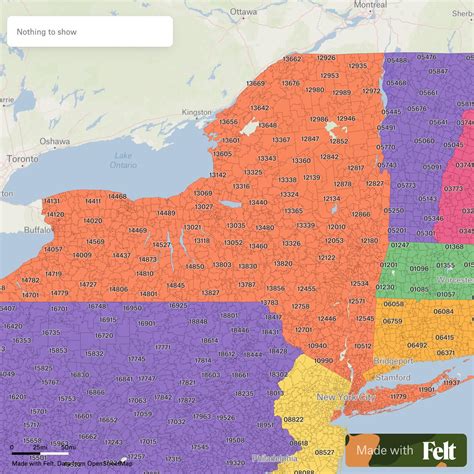
Unlike many cities, New York City doesn’t have a single ZIP code. Instead, it boasts a diverse range of postal codes that reflect the city’s incredible complexity. The five boroughs—Manhattan, Brooklyn, Bronx, Queens, and Staten Island—each contain multiple ZIP codes that serve different neighborhoods and even individual buildings.
Borough-Specific ZIP Code Ranges

Here’s a breakdown of the ZIP code ranges for each borough:
- Manhattan: 10001-10282
- Staten Island: 10301-10314
- Bronx: 10451-10475
- Queens: 11004-11109, 11351-11697
- Brooklyn: 11201-11256
Unique ZIP Code Phenomena

Perhaps the most intriguing aspect of New York’s postal system is that some buildings actually have their own unique ZIP codes. The United States Postal Service (USPS) assigns these special codes based on mail volume and specific delivery requirements.
🏢 Note: The Empire State Building, for instance, has its own dedicated ZIP code: 10118, due to the massive amount of mail it receives daily.
Notable Buildings with Unique ZIP Codes
As of recent data, 41 buildings in Manhattan have their own exclusive ZIP codes. Some remarkable examples include:
- Empire State Building (10118)
- General Motors Building (10153)
- 55 Water Street (10041)
- Park Avenue Plaza (10055)
The Science Behind ZIP Codes

The ZIP code system is more than just random numbers. Each digit carries specific geographical information:
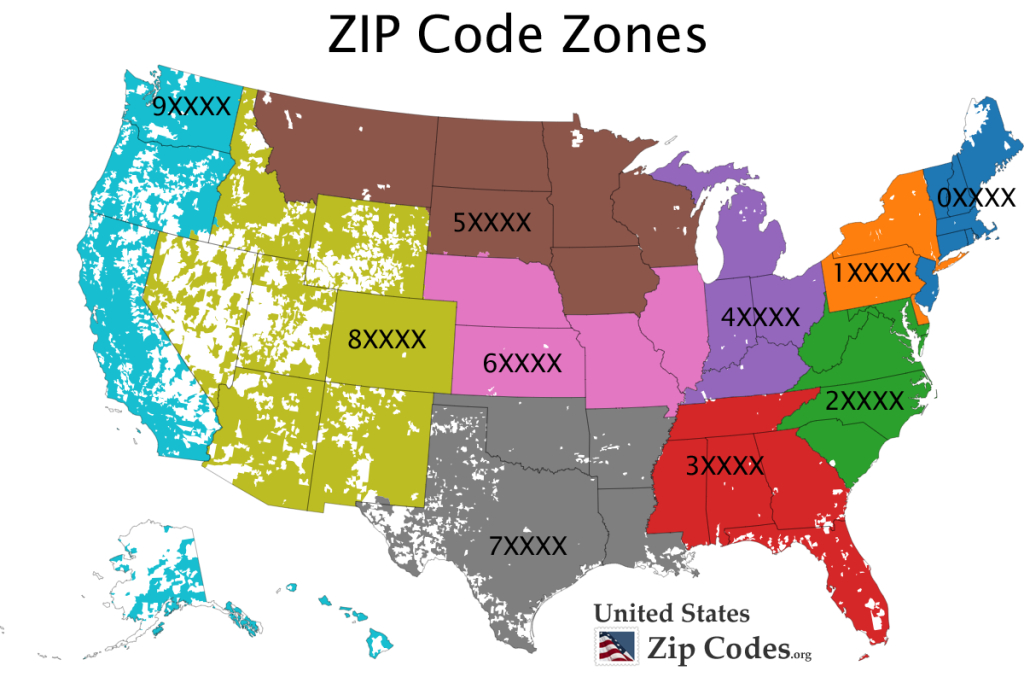
- The first digit represents a broad geographical region (0-9 spanning from east to west)
- The next two digits narrow down to specific regional areas
- The final two digits identify particular post offices or delivery zones
In 1983, the USPS introduced the ZIP+4 Code, which added four more digits to provide even more precise location information. This innovation allows mail to be sorted directly to specific streets, buildings, or even individual addresses.
Interestingly, the use of ZIP codes has expanded far beyond mail delivery. Today, they play crucial roles in emergency services, demographic research, and urban planning.
Next time you address a letter or package to New York City, remember that those five digits are more than just a postal code—they're a microcosm of the city's incredible diversity and complexity.
How Many ZIP Codes Are There in New York City?
+
New York City has over 100 unique ZIP codes spread across its five boroughs, with Manhattan alone having dozens of different codes.
Can a Single Building Have Its Own ZIP Code?

+
Yes! Some large buildings with high mail volumes, like the Empire State Building, have been assigned their own unique ZIP codes.
When Were ZIP Codes First Introduced?

+
ZIP codes were nationally introduced in 1963 by the United States Postal Service to improve mail sorting and delivery efficiency.